America Did Not Gain Power Through Democracy.
America Did Not Gain Power Through Democracy.In the 1950s, South Korea was among the poorest countries in the world. But later it experienced a tremendous transformation, becoming a country with…
Ay Abdullahi · Admin
· 3 min read
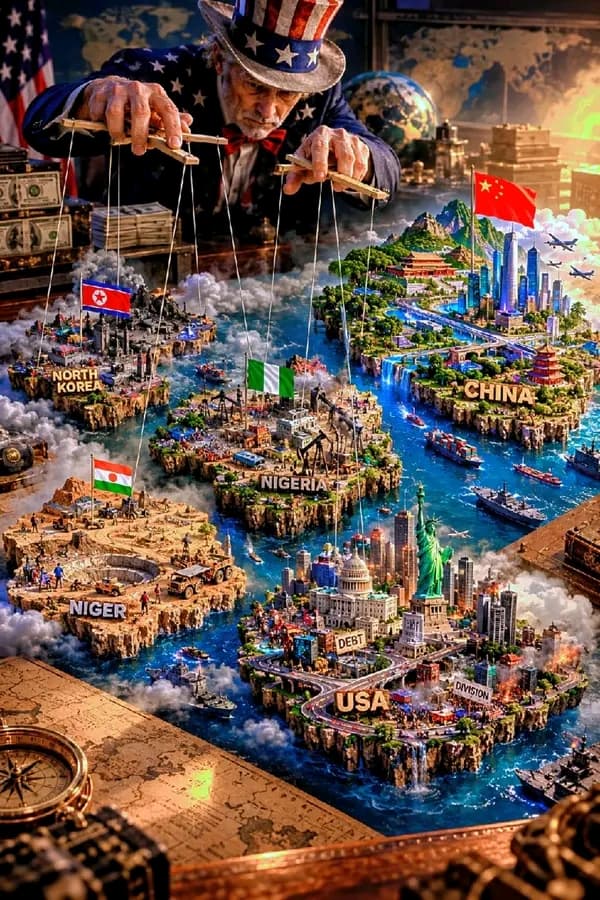
America Did Not Gain Power Through Democracy.
In the 1950s, South Korea was among the poorest countries in the world. But later it experienced a tremendous transformation, becoming a country with strong wealth and industries, technology and economy.
The World Bank described this as one of the greatest developmental transformations achieved in our time, which included investment in education, infrastructure, technology and a sound economic system.
China has also given the world a great surprise. Since the economic reforms that began in 1978, China's economy has grown by an average of more than 9 percent per year, and almost 800 million people have been lifted out of extreme poverty.
This does not mean that China's system is the system that every country should copy. The lesson is that a country's development has many more factors than just the democracy system alone.
So here's the question... If democracy is the key to a country's development, why did some countries achieve tremendous economic transformation and progress before they transitioned to a full democratic system?
America also built its power during the era of slavery, not through democracy.
There is a South Korean scholar named Ha-Joon Chang who did important research on the history of development of rich countries.
In his book Kicking Away the Ladder (meaning the one who climbs up and kicks away the ladder), he asked a simple but weighty and difficult-to-answer question that... How did the countries that are rich today get their wealth, before they started advising other countries on how to achieve development?
His research showed that many countries that are developed today used industry, tariffs on imported goods, government subsidies and other policies to protect their industries, while trying to catch up with countries that had already developed.
Do developing countries like Nigeria or Niger have the opportunity to build their economic system according to their own conditions, or must they follow the system of countries that have long achieved development?
If we go back to the history of Africa after independence, we will see that world politics, the Cold War, natural resources and the interests of foreign countries played a role in some important things that have happened to us now. For example, the case of Patrice Lumumba of Congo is not a small history.
Documents released later showed that the CIA was involved in plans to remove Lumumba from power, and even a method to kill him was planned. But the history of his death is more complicated than that. Belgium and some Congolese politicians and other parties also played an important role.
In African history, we cannot understand political and economic problems by looking at what is happening in only one country.
There is also the issue of Kwame Nkrumah of Ghana.
Nkrumah was trying to build a Ghana that was independent economically and politically, but his relationship with Western countries became very sour. In 1966, soldiers and police overthrew his government while he was traveling to Beijing.
U.S. government documents show that the U.S. knew about the coup plans, but the information released does not confirm that the U.S. government organized the coup.
This difference is important.
Because if we want to truly understand history, we should not turn everything into "the West did everything" or "Africa alone is to blame."
There are mistakes by African leaders. There is corruption. There is weak institutions. There are ethnic and political conflicts.
But there is also the history of colonialism, the influence of powerful countries, political wars, the trade in natural resources, debt and the economic relationship between powerful and developing countries.
Africa's lack of development... It is not just democracy. It is not just dictatorship. It is not just natural resources. It is not just Europeans. It is not just African leaders alone. The problem is deeper than that.
And perhaps the biggest lesson that Africa can learn from world history is that a country does not achieve development because of the democratic system alone, it achieves development when it is able to build education, industries, jobs, strong institutions, technology and an economy that uses its resources for the benefit of its people.
If Nigeria and other African countries have youth, natural resources and large markets, what is stopping us from building this kind of power?
More from TimesPosts

Siyasa Duniya A Yau. MUMMUNAR ZANGA-ZANGAR TA RINCABE A P@KISTAN
MUMMUNAR ZANGA-ZANGAR TA RINCABE A P@KISTAN Yanzu haka magoya bayan wannan mashahuran mutumin na P@kistan IMRAN Kh@n sun fara zanga-zangar dole a sake shi .Imran Khan shi ne tsohon Firayim Ministan…
Ay Abdullahi1 min read
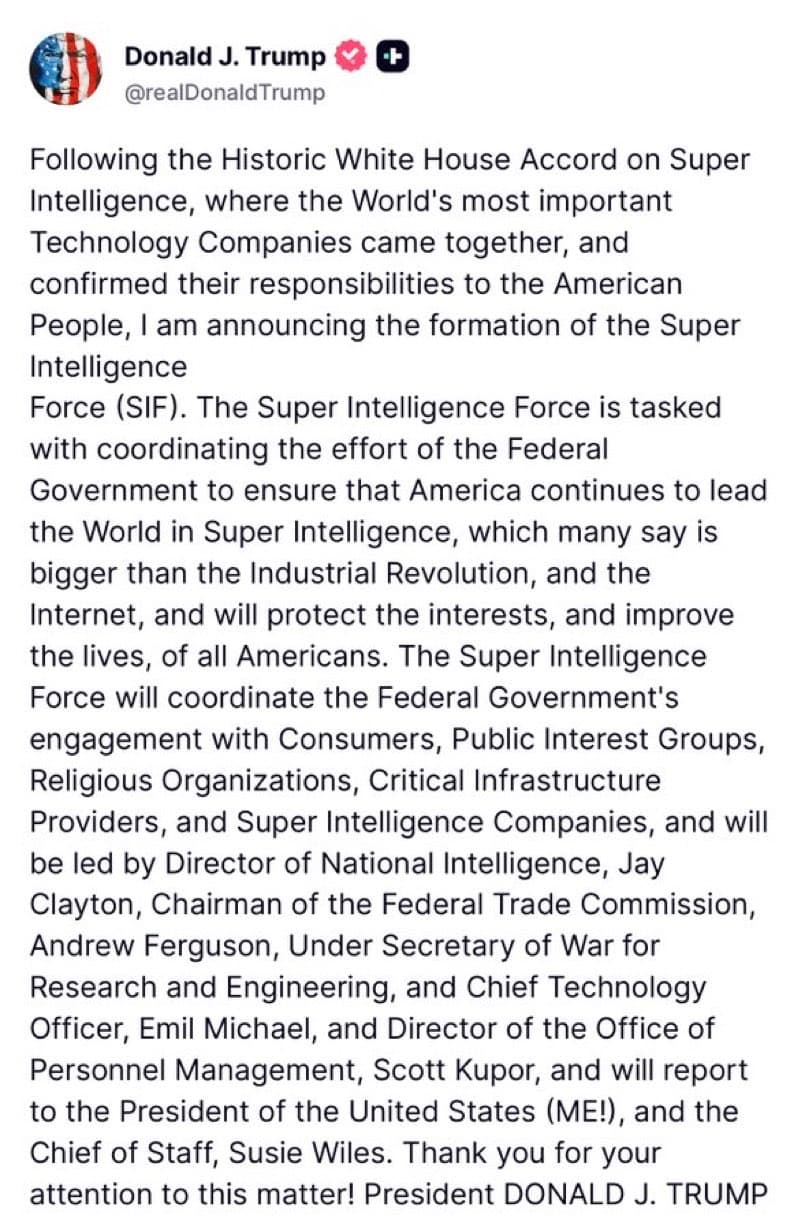
White House news
“I am announcing the formation of the Super Intelligence Force (SIF). The Super Intelligence Force is tasked with coordinating the effort of the Federal Government to ensure that America continues to…
Ay Abdullahi1 min read
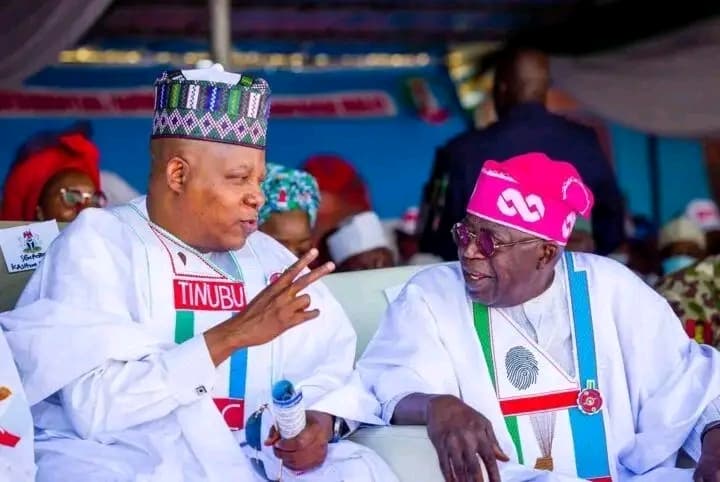
Tinubu ya ceci tattalin arzikin Najeriya - Shettima
Tinubu ya ceci tattalin arzikin Najeriya - ShettimaMataimakin shugaban ƙasa, Kashim Shettima, ya bukaci ’yan Najeriya da su yi wa Shugaba Bola Ahmed Tinubu uzuri, yana mai cewa matakan da ya dauka…
Ay Abdullahi1 min read