BLOOD FLOW PATHWAY
BLOOD FLOW PATHWAY🔰 Introduction to Blood Circulation◾ The human heart pumps blood through a closed, continuous circulatory loop.◾ Blood circulates to deliver oxygen & nutrients, and remove CO₂ &…
Ay Abdullahi · Admin
· 2 min read
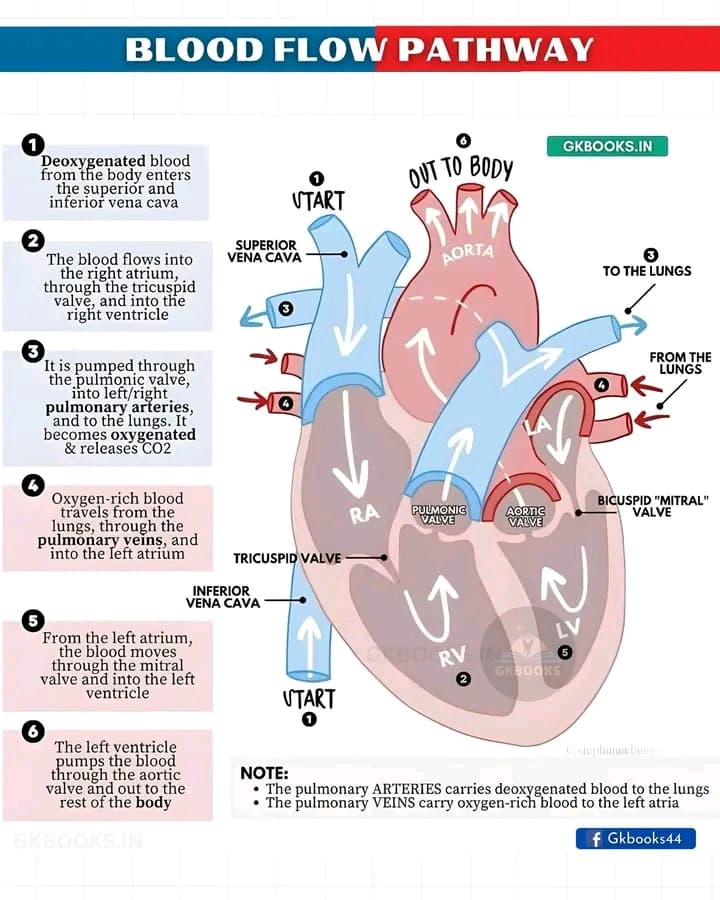
BLOOD FLOW PATHWAY
🔰 Introduction to Blood Circulation
◾ The human heart pumps blood through a closed, continuous circulatory loop.
◾ Blood circulates to deliver oxygen & nutrients, and remove CO₂ & waste.
◾ Blood flow pathway consists of two main circuits:
◾ Pulmonary Circulation – between heart and lungs
◾ Systemic Circulation – between heart and body
◾ Begins with deoxygenated blood returning from the body to the heart.
🔰 Key Components
◾ Heart Chambers: RA, RV, LA, LV
◾ Valves: Tricuspid, Pulmonary, Mitral (Bicuspid), Aortic
◾ Major Vessels: Vena cava, Pulmonary artery, Pulmonary vein, Aorta
🔰 Step 1: Return of Deoxygenated Blood
◾ Blood from the body enters through:
◾ Superior vena cava – upper body
◾ Inferior vena cava – lower body
◾ Both vessels open into the Right Atrium (RA).
◾ Blood at this stage is low in oxygen and high in CO₂.
🔰 Step 2: Right Atrium → Right Ventricle
◾ RA contracts and pushes blood through the:
◾ Tricuspid valve
◾ Blood enters the Right Ventricle (RV).
◾ The tricuspid valve ensures one-way flow and prevents backflow into RA.
🔰 Step 3: Right Ventricle to Lungs (Pulmonary Circulation)
◾ RV pumps blood through the:
◾ Pulmonic (Pulmonary) Valve
◾ Blood enters the Pulmonary Arteries.
◾ Unique Feature:
◾ Pulmonary arteries carry deoxygenated blood (exception among arteries).
◾ Blood travels to left & right lungs.
🔰 Gas Exchange in Lungs
◾ In lungs, blood undergoes oxygenation:
◾ CO₂ is released
◾ O₂ is absorbed
◾ Blood becomes oxygen-rich (bright red).
🔰 Step 4: Lungs → Left Atrium
◾ Oxygenated blood returns to the heart via:
◾ Pulmonary veins
◾ Unique Feature:
◾ Pulmonary veins carry oxygenated blood (exception among veins).
◾ Blood enters the Left Atrium (LA).
🔰 Step 5: Left Atrium → Left Ventricle
◾ LA contracts and sends blood through the:
◾ Mitral (Bicuspid) Valve
◾ Blood enters the Left Ventricle (LV).
🔰 Step 6: Left Ventricle → Body (Systemic Circulation)
◾ LV pumps oxygen-rich blood through the:
◾ Aortic Valve
◾ Blood enters the Aorta, the body's largest artery.
◾ Aorta distributes blood to:
◾ Brain
◾ Organs
◾ Muscles
◾ Tissues
◾ All body cells
🔰 Important Notes
◾ Pulmonary arteries → carry deoxygenated blood
◾ Pulmonary veins → carry oxygenated blood
◾ Valves ensure unidirectional flow and maintain pressure.
◾ LV has the thickest wall because it pumps blood to the entire body.
#BloodFlowPathway
#HumanHeart
#CirculatorySystem
#MedicalInfographic
#BiologyNotes
#fblifestyle
#StudyWithScience
More from TimesPosts
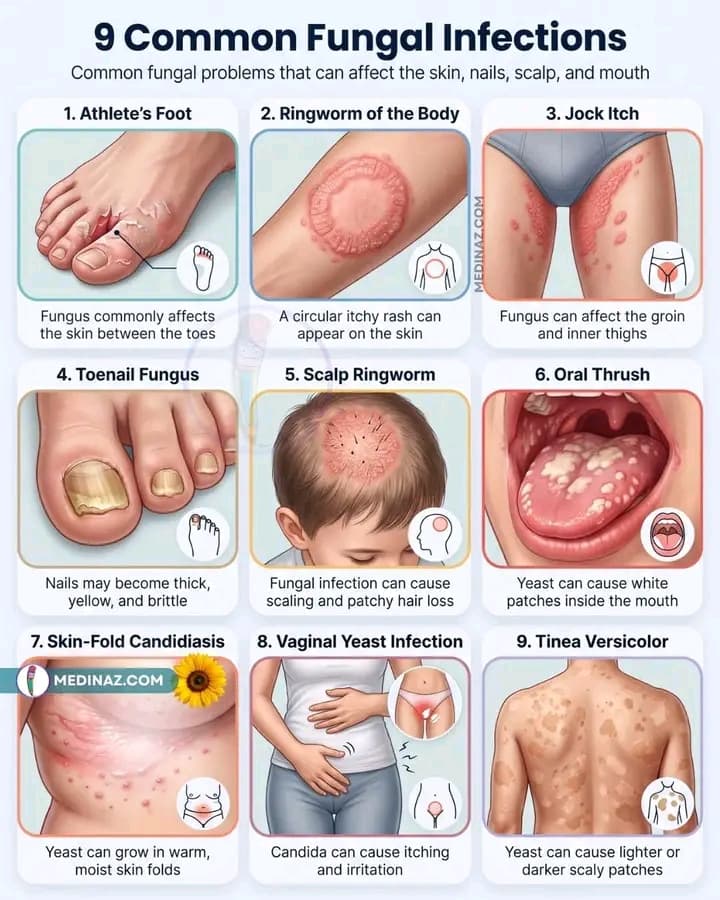
What Did You know About Fungal Infections
9 Common Fungal InfectionsFungal infections can affect the skin, nails, scalp, mouth, and genital area. Many are mild and treatable, but some can spread, recur, or need prescription treatment.⠀🟣 1.…
Ay Abdullahi3 min read

Ko Mai Yasa Haka kuwa ...
Babbar Kotun Tarayya da ke zamanta a Legas ta bayar da umarnin kwace wayoyin salula guda 431 na dindindin tare da mika su ga Gwamnatin Tarayya, bayan Hukumar Yaki da Cin Hanci da Rashawa ta EFCC ta…
Ay Abdullahi2 min read
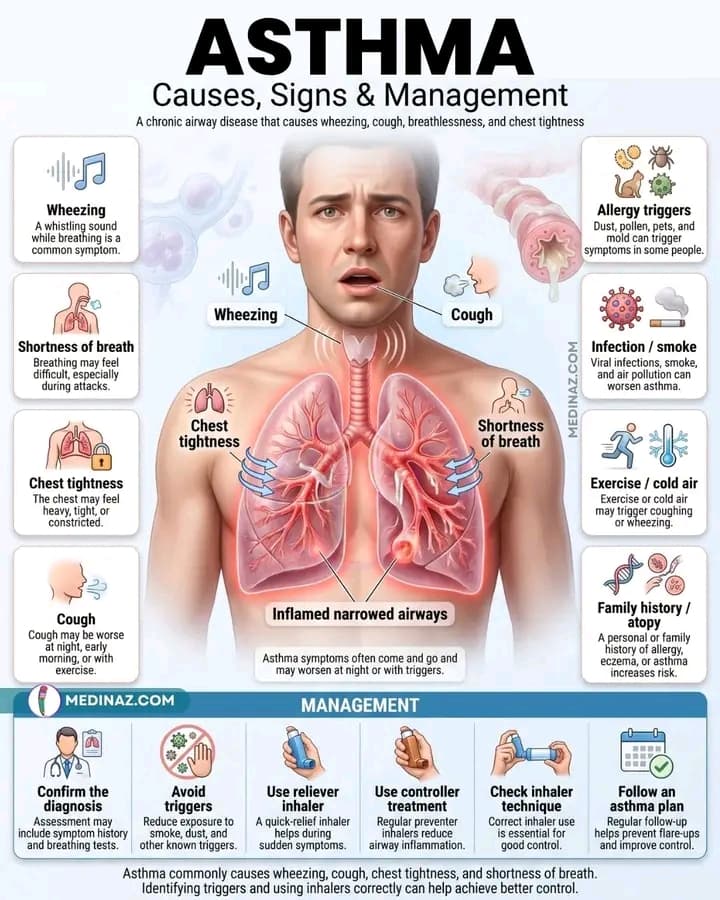
Asthma: Causes, Signs & Management
Asthma: Causes, Signs & ManagementAsthma is a chronic condition in which the airways become inflamed, sensitive, and temporarily narrowed. Symptoms often come and go and may be triggered by…
Ay Abdullahi2 min read